Bad air days and your HVAC filters.
By Tyler Wayne, FMP · Working B2B HVAC Rep on the Wasatch Front · Updated October 2026
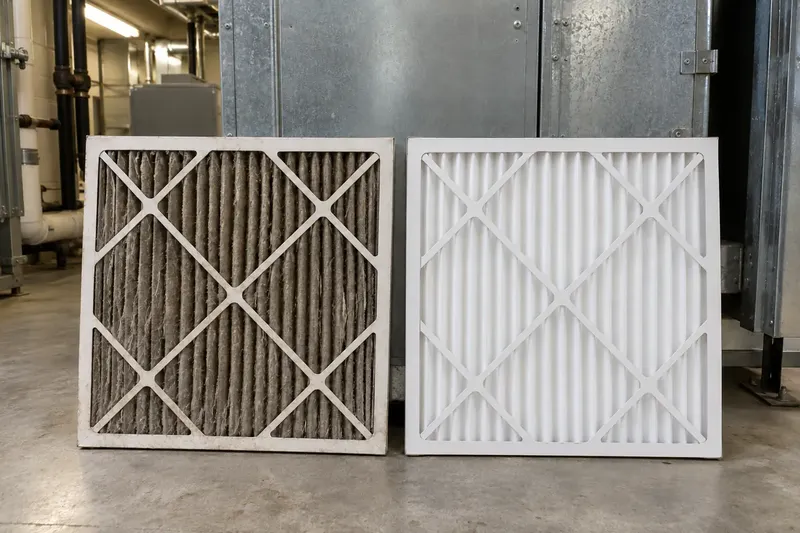
On Salt Lake and Utah County's winter bad air days, fine particles build up in the valley and your filters load faster. Check filters monthly from December through February, watch the pressure drop across the filter bank, and don't let a clogged filter starve a unit of airflow.
What happens on bad air days
In winter, cold air can sit in the valleys along the Wasatch Front and trap smog near the ground for days at a time. The particle levels outside go up, and every building pulling in outside air is pulling those particles toward its filters.
You can check current conditions and alerts from the Utah Division of Air Quality.
Why loaded filters matter
- Airflow drops, so rooms at the end of the duct run get uncomfortable first.
- Fans work harder and use more energy.
- Coils can ice in cooling season or heat exchangers can run hot in heating season when airflow is too low.
How to stay ahead of it
Check monthly in winter
From December through February, put filters on a monthly check instead of waiting for the regular change date.
Use a pressure gauge
A simple pressure gauge across the filter bank tells you when filters are actually loaded. Change them at the final pressure drop the filter maker lists, not just by the calendar.
Pick the right rating
Higher MERV filters catch more fine particles. ASHRAE recommends MERV 13 or better where the equipment can handle it. Older units may not have the fan capacity for a denser filter, so check with your service provider before you upgrade.
Should you cut outside air on bad air days?
Be careful here. Buildings have minimum ventilation requirements for a reason. Closing outside air below code minimums trades one indoor air problem for another. If you want a bad air day strategy, have an engineer look at your system and your codes first.
Common questions
What MERV rating should a commercial building use?
ASHRAE recommends MERV 13 or higher where the system can handle it. Confirm your units have the fan capacity before switching.
Should I close outside air dampers on bad air days?
Not below the minimum ventilation your building is required to have. Talk to an engineer before changing outside air settings.
Where can I check Utah air quality?
The Utah Division of Air Quality posts current conditions and alerts at air.utah.gov.